Puja Fund

DONATE | Latest News

A Vast Array of Prayers, Pujas, and Offerings for the Benefit of All

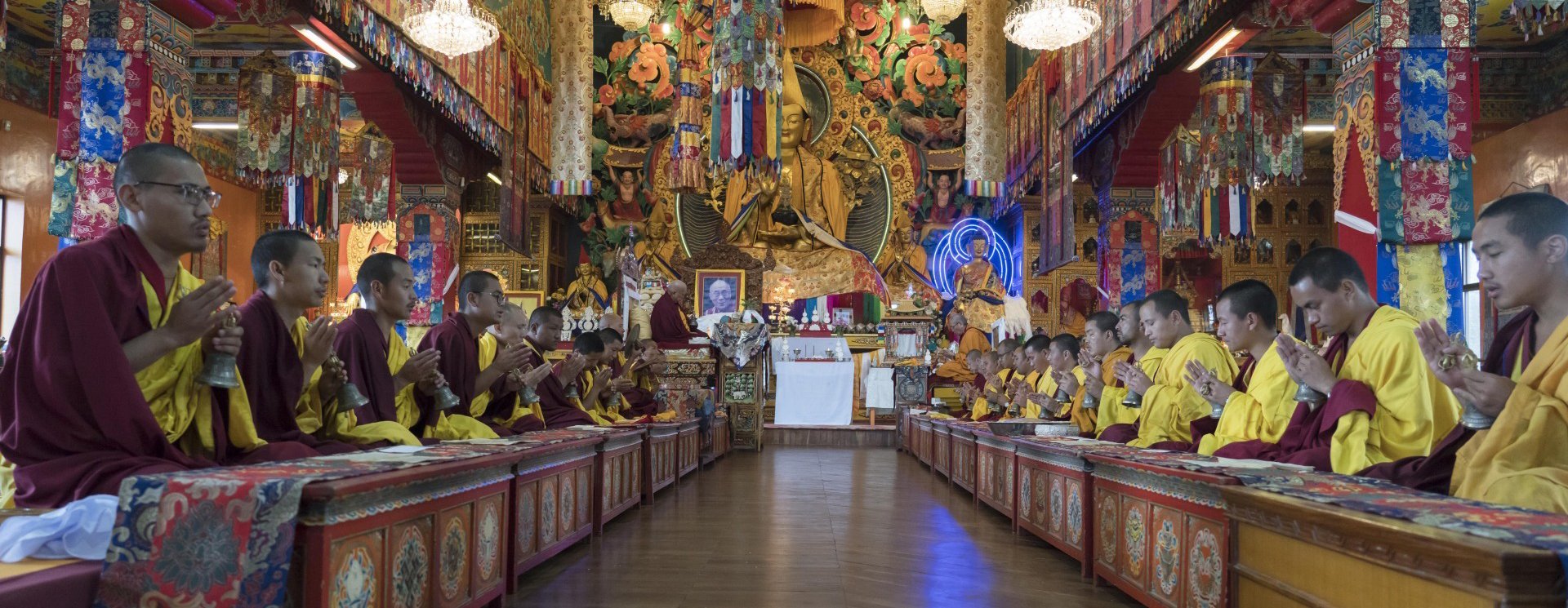
The Puja Fund sponsors extensive and powerful prayers and practices dedicated to the benefit of all beings—particularly those within the FPMT organization and every donor who contributes to the fund. These selected practices focus on healing, success, and the removal of obstacles, and are offered by thousands of ordained Sangha on the most powerful days, when merit is greatly magnified.

In addition, the Puja Fund arranges monthly offerings of gold, saffron, brocade, robes, and umbrellas to some of the holiest statues and stupas in India, Nepal, and when possible, in Tibet.

Lama Zopa Rinpoche initiated the Puja Fund in 1995, and this important fund has been continually sponsoring prayers and practices since then. Rinpoche provided guidance on which pujas and practices are best, when they should be offered, and which monasteries and nunneries should offer them, for each prayer and practice to be of most benefit.  Rinpoche also composed the dedication prayer that is recited after all the practices.

We would like to offer everyone the opportunity to join in the extensive merit from these prayers and pujas, by offering any amount, rejoicing in the prayers, and dedicating your offering.

The merit that is created from all these pujas is also your merit. So you can dedicate all these merits to having realizations and to achieve enlightenment.

—Lama Zopa Rinpoche
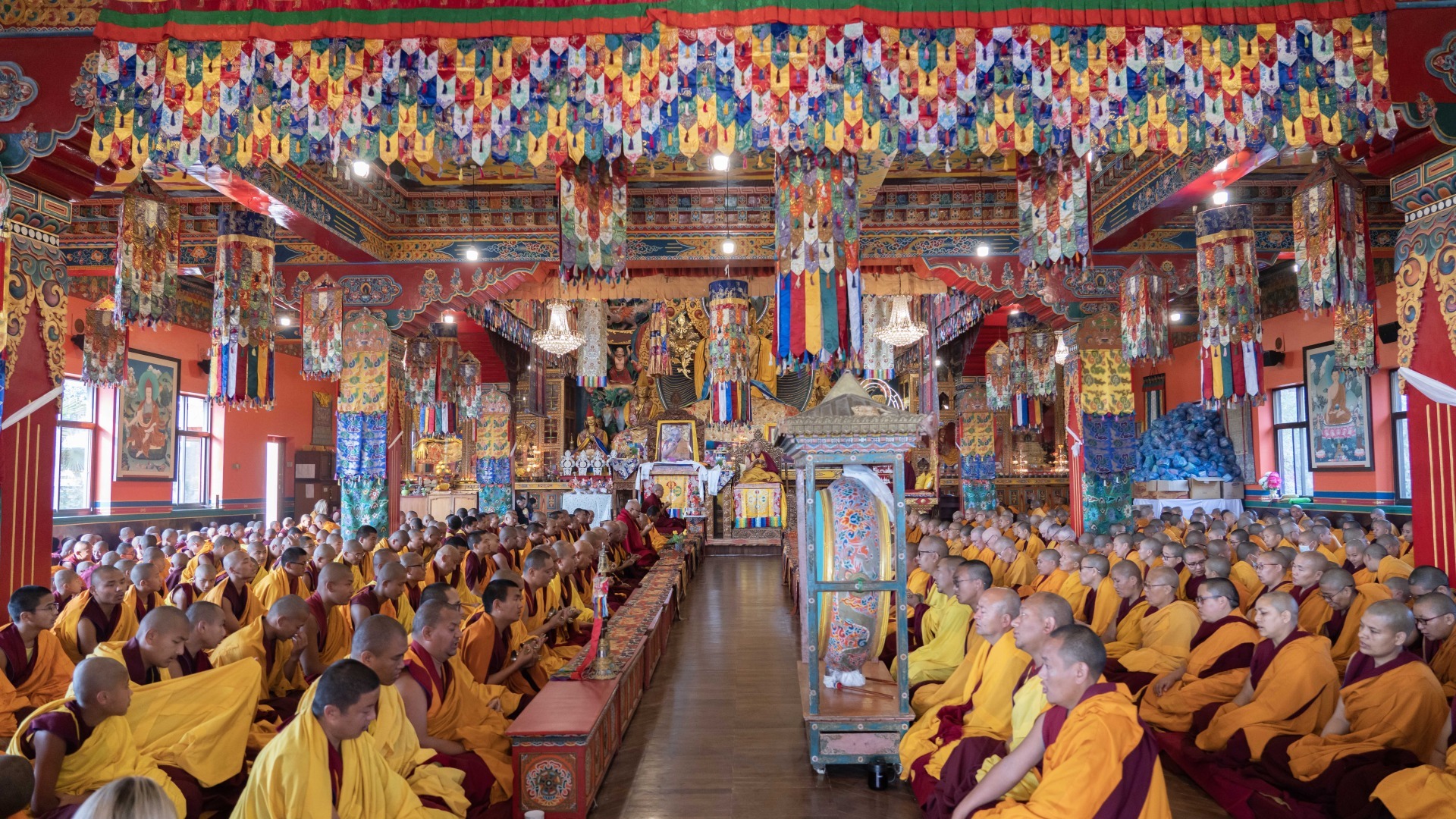
Losar pujas with Ganden Tri Rinpoche, Lama Zopa Rinpoche and Khen Rinpoche Geshe Chonyi, Kopan Monastery, Nepal, February 2023. Photo by Ven. Lobsang Sherab.

The Prayers, Pujas, and Practices Offered

The extensive prayers, pujas, and practices that are continually being offered are specifically for:

  • Healing, health, and long life
  • Protection from obstacles
  • Success in actualizing the path to enlightenment and for one’s Dharma endeavors
  • Protecting the environment and all living beings
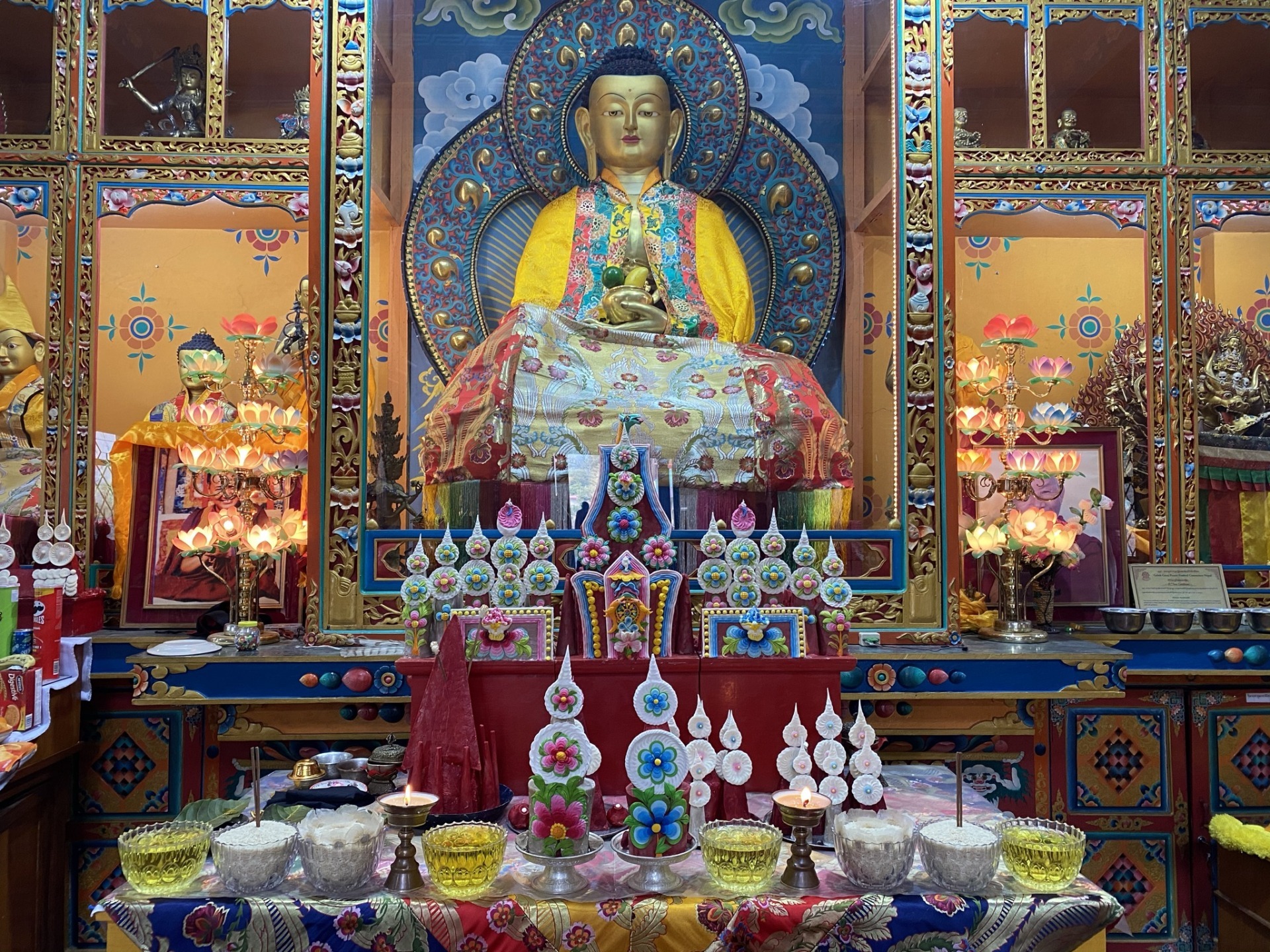
Medicine Buddha Puja

Every month on the Tibetan eighth day – an important day for offering long life practices -the Puja Fund sponsors the 1,600 monks of Sera Mey Monastery to offer the Extensive Medicine Buddha Puja. This practice is a specialty of Sera Mey Monastery; the monks are highly experienced in it and offer the puja with strong, dedicated prayers. The Puja Fund offers the lights and torma offerings for the puja, a small monetary offering to every Sangha in the puja, as well tea and bread.

Medicine Buddha is specifically for health, long life, success, and the removal of obstacles.

Rinpoche has said, “The Medicine Buddha encompasses all the buddhas. This means that when we practice the Seven-limb Prayer and make offerings with the seven limbs, we receive the same merit as we would if we had made offerings to all the Buddhas.

“To recite the Medicine Buddha mantra brings inconceivable merit. Manjushri requested the eight tathagatas (Guru Shakyamuni Buddha and the seven Medicine Buddhas) to reveal a special mantra that would make the prayers they (the eight tathagatas) made in the past (prayers to be able to actualize the happiness of sentient beings by attaining the path to enlightenment and pacifying various problems, to be able to see all the buddhas, and for all wishes to be quickly realized) to quickly come to pass, especially for those sentient beings born in the time of the five degenerations who have small merit and who are possessed and overwhelmed by various diseases and spirit harms.

“During that time, all the eight tathagatas, in one voice, taught the Medicine Buddha mantra. Therefore, when you recite the mantra, the buddhas and bodhisattvas will always pay attention to you, and they will guide you. Vajrapani, owner of the secrets, and the four guardians will always protect and guide you. All your negative karma will be pacified, and you will never be born in the three lower realms. Even just hearing a recitation of the names of the eight tathagatas pacifies all diseases and spirit harms – even spirit harms that arise as a condition of disease – and all your wishes are fulfilled.”

Most Secret Hayagriva Puja

Most Secret Hayagriva Puja torma and altar.

Every month on the Tibetan twenty-ninth day– an important day for offering protector pujas-  the Puja Fund sponsors forty of the most senior monks of Sera Je Monastery, who specialize in the practice of Most Secret Hayagriva, to offer the Extensive Most Secret Hayagriva Puja (Hayagriva Tsog Kong). This is an all-day puja with an elaborate torma offering.

The Puja Fund makes a small offering to the monks who perform the puja, sponsors meals and tea on the day of the puja, and covers the cost of the extensive torma offerings.

Hayagriva is the wrathful manifestation of Chenrezig, the Buddha of Compassion. This puja is very powerful as a means for removing obstacles and generating merit, and is very important for FPMT, due to the organization’s close connection with this deity which is FPMT’s main protector.

The word “torma” is Tibetan refers to an offering cake used in rituals. There are various types of tormas for different purposes. Tormas can be ornamented in many ways, such as with discs molded from butter that represent the sun and moon, as well as more extensively with intricate and colorful auspicious symbols, animals, offering goddess, and much more all made from butter. Lama Zopa Rinpoche explains the significance of tormas, such as the very elaborate one in Most Secret Hayagriva Puja.

“One meaning of “torma” is destroying your miserliness and attachment, so therefore tormas are made very rich, the best and richest quality you can make. It means you spend money destroying your miserliness, making a good offering to the deity. So that’s one meaning of tor, that which destroys your miserliness, your attachment.

“Then the other meaning is related also to the maha-anuttara tantric path, where the experience of transcendental wisdom, the great bliss, the voidness, is the real torma. That is the real torma … So then that tor destroys like a bomb; it destroys the root of samsara: the ignorance holding the I, the aggregates, to be truly existent. So, the torma is that which destroys that.”

100,000 Praises to 21 Taras

On Saka Dawa (commemorating Shakyamuni Buddha’s birth, enlightenment, and passing into Parinirvana) 100,000 Praises to the Twenty-one Taras are beautifully offered by the 400 nuns of Khachoe Ghakyil Ling Nunnery in Nepal and Yulo Koepa Nunnery in India.

The Puja Fund has joined with the Tara Puja Fund, offering these practices and many, many more in a combined way, to be of maximum benefit to all.
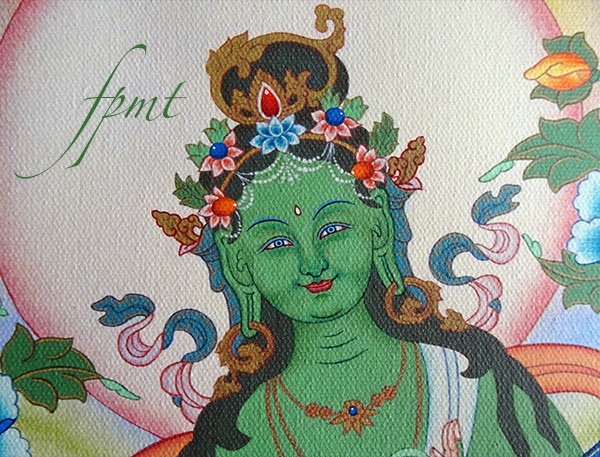
Tara the Liberator, is a completely enlightened buddha who had previously promised to appear, after enlightenment, in the form of a female bodhisattva for the benefit of all beings. Her primary activity is to protect from the eight fears. Tara represents the miraculous activities of all buddhas. She is said to be born from Chenrezig’s tears of compassion. There are innumerable manifestations of Tara arising according to the needs of others, such as the Green Tara who quickly overcomes obstacles and saves beings in dangerous situations.

Rinpoche has said, “There are so many inner obstacles to the development of your mind, and these inner obstacles create many outer obstacles. Therefore, for the success of your Dharma practice, of your actualizing the graduated path to enlightenment, you must rely upon a special deity, or buddha, such as Tara. All the actions of the buddhas have manifested in this female aspect of Buddha- Tara the Liberator – to help living beings to accomplish successfully both temporal and ultimate happiness.”

The Puja Fund offers a small monetary offering to the Sangha performing the puja, as well as sponsoring tea and bread during the ceremony.

Recitation of Kangyur and Prajnaparamita

Kangyur

The Kangyur is comprised of 108 volumes of the Indian texts that are considered to be the words of Shakyamuni Buddha. It has 1,169 texts within it, containing 70,000 pages. It is recited annually during the Fifteen Days of Miracles (commemorating Shakyamuni Buddha showing miraculous powers). It is recited by the 400 nuns of Khachoe Ghakyil Ling Nunnery in Nepal.

The meaning of “Kangyur” is “the translated words (of the Buddha).” It is the entire collection of texts regarded as buddhavacana or “Buddha-word”, translated into Tibetan.

The texts considered to be not only of the Buddha’s own discourses – but also of teachings and explanations given by others, often by his close disciples with his approval, or by other enlightened beings.

Lama Zopa Rinpoche arranged, through the Puja Fund, for the Kangyur to be recited at the beginning of each year for the success of Dharma activities in the coming year.

Prajnaparamita

The Prajnaparamita is the collection of teachings on the perfection of wisdom (emptiness). It is comprised of small, middle, and large versions, the largest consisting of 100,000 lines. It is recited on Lhabab Duchen (commemorating Guru Shakyamuni Buddha’s return to Earth from the God Realm of the Thirty-Three). It is recited by the 500 monks of Gyudmed Tantric Monastery in South India.

Lama Zopa Rinpoche has said, “The beginning of the Madhyamakavatara text says that [the perfection of wisdom] is called ‘mother’ because all the numberless past, present, and future buddhas have been born from this perfection of wisdom. Also, the numberless bodhisattvas and numberless arhats are born from this wisdom. This wisdom is what liberates numberless sentient beings from all the oceans of samsaric suffering. It is the real Dharma, the real refuge that liberates us from the oceans of samsaric suffering, whose continuation has no beginning.

“This Prajnaparamita teaching is so precious, unbelievably precious. The Buddha said, ‘Wherever this Prajnaparamita teaching is, I am there.’ The Buddha said to Kunga (Ananda) that even if other teachings are destroyed that is okay, but one should not degenerate or allow even a little bit of the teaching of the Prajnaparamita to be destroyed.”

The Puja Fund offers a small monetary offering to the Sangha performing the puja, as well as sponsoring tea and breakfast during the recitation.

Long Life Practices to Namgyalma

On Losar, Saka Dawa and Chokhor Duchen, extensive long life practices are offered to Buddha Namgyalma. The two practices offered are Namgyal Tong Cho which is an extensive Namgyalma long life ritual and Namgyal Tsechog which consists of making one thousand sets of the seven types of offerings to Buddha Namgyalma. Namgyalma is a female deity for long life and purification. The mantra has infinite benefits. These practices are offered on by the monks of Gyuto, Drepung and Sera Je Monasteries.

Lama Zopa Rinpoche said, “The kind and compassionate Guru Shakyamuni Buddha taught the benefits of reciting the Namgyalma mantra to the four guardians. If you wash the body, wear clean clothes and, while living in the eight precepts, recite the mantra 1,000 times, even if you are in danger of death due to past karma, your lifespan can be prolonged, the obscurations purified, and you are freed from disease.”

The Puja Fund offers a small monetary offering to the Sangha performing the puja, as well as sponsoring tea and bread during the ceremony.

Pujas and Practices for Protecting the Environment and all Living Beings

The Puja Fund sponsors ongoing pujas and the recitation of specific sutras to pacify the elements and protect those harmed by natural disasters of earth, wind, fire, and water

One can feel powerless in the face of disasters of the elements such as earthquakes, tsunamis, wildfires, hurricanes, typhoons, etc. Lama Zopa Rinpoche discussed this in a letter to a student who lived in an area prone to hurricanes.

Lama Zopa Rinpoche advised these specific practices and pujas to be offered monthly for the benefit of all beings that have been harmed by these disasters and to purify the karma that creates these disasters throughout the world.

Arranging and sponsoring these pujas is one of the unique ways FPMT benefits sentient beings. It is also a form of social service that addresses the karmic conditions underlying “natural” disasters while supporting those affected by them.

Sponsored Monthly Practices Advised by Lama Zopa Rinpoche

Each month the following practices are sponsored and dedicated to pacifying the elements and to protect those harmed by disasters of earth, wind, fire, and water. Lama Zopa Rinpoche advised on the exact practices to be done and how many times they should be completed:

  • Extensive Medicine Buddha Puja offered five times
  • Guhyasamaja Root Text recited four times
  • Kshitigarbha Sutra recited one time
  • Sutra of Golden Light recited eight times
  • Arya Sanghata Sutra recited five times
  • Vajra Cutter Sutra recited four times

Practices that Can Be Done By Everyone

These sutra recitations can also be undertaken by anyone who wishes to help mitigate the effects of natural disasters and benefit others.

  1. Extensive Medicine Buddha Puja
  2. Arya Sanghata Sutra
  3. Vajra Cutter Sutra
  4. Guhyasamaja root text (currently in the process of being translated into English)
  5. Sutra of Golden Light
  6. 108 Names of Kshitigarbha 

If you wonder what to do, what prayers to make when there are disasters caused by the elements (fire, water, wind, and earth) such as tornados, hurricanes, heavy rain, storms, floods, earthquakes, fires; as well as disasters that destroy crops; disasters that destroy entire towns and cities within one hour; disasters that cause so many billions of dollars of damage, disasters where so many hundreds and thousands of people die or lose their homes, have no food or clean water; disasters where so many animals and insects are killed and harmed – Here I am offering some suggestions on practices that you can do.

—Lama Zopa Rinpoche, July 2018

Printing Sutras

Sutras are records of teachings given by the historical Buddha, Shakyamuni. The Buddha’s discourses were memorized by his disciples and later written down. Because sutras contain the actual words spoken by the Buddha, by reproducing that speech ourselves during recitations our voice becomes a conduit for the spread of Buddha’s teachings in the world.

Golden Light Sutra

The Golden Light Sutra contains everything needed, from daily happiness to complete enlightenment. It contains a profound practice of confession and rejoicing, profound teachings on dependent arising, reliable assurances of protection, guidelines for ideal government, and awe-inspiring stories of the Buddha’s previous lives.

This sutra is printed a minimum of six times on each of the Four Buddha Days and during every solar and lunar eclipse. It is also recited monthly by Sangha.

Arya Sanghata Sutra

The Arya Sanghata Sutra promises to transform all those who read it. Like other sutras, the Sanghata Sutra records an oral teaching given by the Buddha, but unlike other sutras, Buddha explains that he himself had heard this sutra from a previous Buddha. The Sanghata Sutra is a text that talks about itself by name and explains in detail what it will do to anyone who encounters it.

This sutra is printed a minimum of ten times on each of the Four Buddha Days and during every solar and lunar eclipse. It is also recited monthly by Sangha.

Vajra Cutter Sutra

The Vajra Cutter Sutra is one of most well-known sutras of Mahayana Buddhism. The Vajra Cutter Sutra is a discourse on the Buddhist concept of emptiness or “Wisdom Gone Beyond.”

Rinpoche explained that “The Vajra Cutter Sutra is unbelievable. It is one of the most profitable practices, because the root of all sufferings, yours and others, is the ignorance holding “I” as truly existent – even though it is empty of that; and the ignorance holding the aggregates as truly existent, even though they are empty of that. The only antidote to cut that, to get rid of that and through which to achieve liberation, the total cessation of the suffering causes – delusions and karma – is the wisdom realizing emptiness. This is the subject of the Vajra Cutter Sutra, emptiness. So, each time you read it, it leaves such a positive imprint.”

This sutra is printed a minimum of two hundred times on each of the Four Buddha Days and during every solar and lunar eclipse. It is also recited monthly by Sangha.

Amitayus Long Life Sutra

According to Lama Zopa Rinpoche, “The Amitayus Long Life Sutra is very precious and there is so much benefit in printing or writing it. This is one of the texts that, if written in gold, mountains of negative karma get purified. It’s very good to print for people who have cancer, and for the success of activities and projects. If a business has difficulties, or is difficult to start, if you have difficulty finding a job, or the job is not going well, you can print many copies to make merit, not particularly for mundane success but generally to collect merit for realizations, conditions for Dharma practice. Then you can dedicate the merits of printing for all sentient beings. This is one solution for success and long life. Also, when you die, you will get born in Amitabha’s pure land.”

This sutra is printed a minimum of twenty times on each of the Four Buddha Days and during every solar and lunar eclipse.

The Sutra of Great Liberation

The Sutra of Great Liberation is an important Mahayana sutra that contains teachings on various topics, as well as the names of many enlightened beings. The sutra is often recited for those who have passed away, or those experiencing obstacles or difficulties, and by devotees who understand and appreciate its power. Benefits explained from the sutra itself:
Whoever sees this sutra sees the face of the Buddha. 
Whoever holds this sutra holds the body of the Buddha. 
Whoever practices this sutra practices the activities of the Buddha.

This powerful sutra, which was expounded just before the Buddha’s parinirvana, covers a wide variety of topics, including the three vehicles, the three refuges, how to confess and purify, proclamation of names of many buddhas and bodhisattvas, descriptions and causes of the thirty-two marks of an enlightened being, extensive advice on how to practice the Dharma, instructions on how to do the actual purification, and the signs of purification.

This sutra is printed a minimum of two times on each of the Four Buddha Days and during every solar and lunar eclipse.

Offerings to Stupas

Offerings to Boudhanath and Swayambunath Stupas
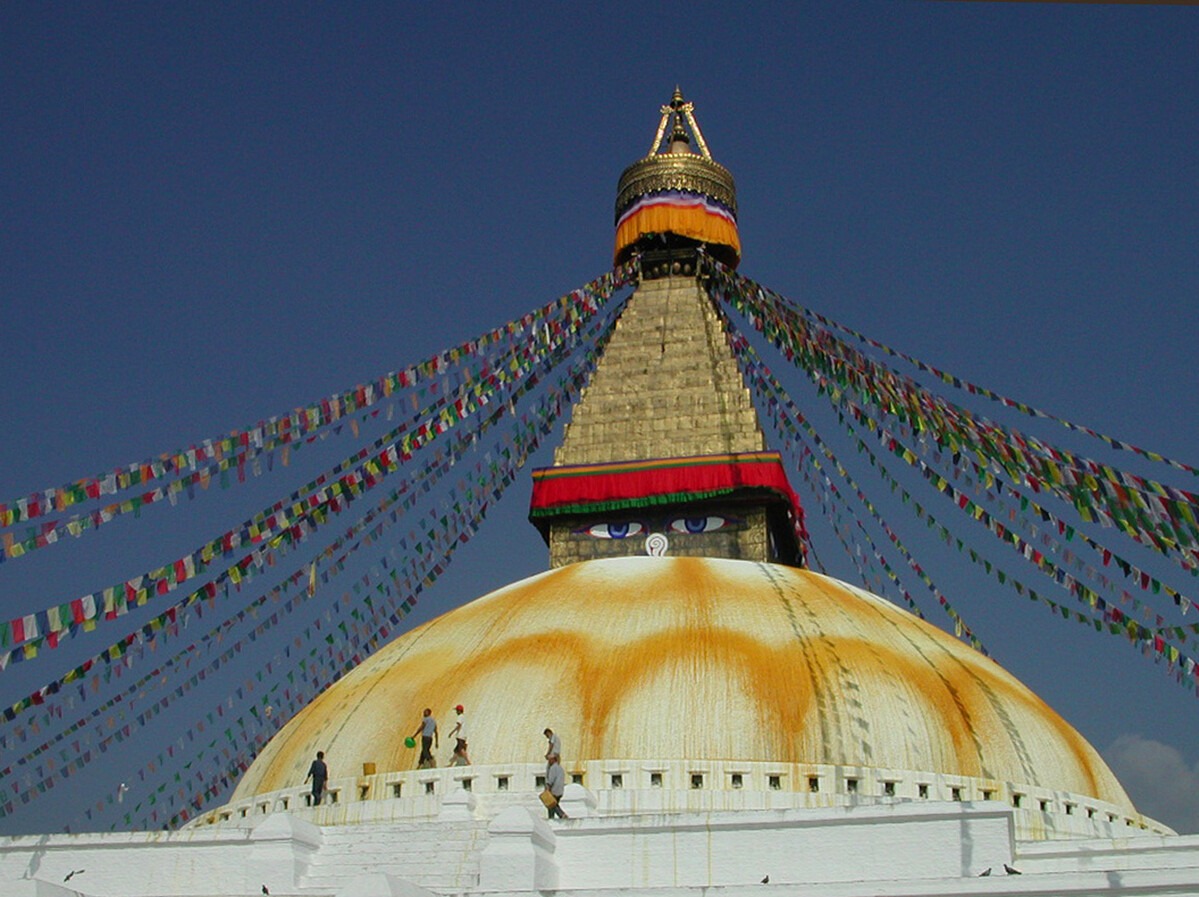
Every month, on the full moon and on the Four Buddha Days—when merit is multiplied 100 million times—the Puja Fund sponsors offerings to the holy Boudhanath and Swayambhunath stupas in Nepal. These offerings include painting the entire stupas with whitewash, painting four giant saffron flower petals on the sides of the stupas, and offering the finest quality cloth to the umbrellas at their pinnacles.

Lama Zopa Rinpoche has said that in the Guhyasamaja Root Tantra it says, “A stupa is a palace where all the buddhas are abiding. Those beings who don’t have the karma actually to see buddha need the holy objects of body, speech and mind – statues, scriptures, stupas – as fields for accumulating merit. Sentient beings accumulate extensive merit by making offerings to holy objects, and from this merit, happiness comes. As soon as a statue of the Buddha or a stupa is completed, in that very second it becomes an object with which beings can create the cause of happiness. Having one more holy object gives sentient beings one more opportunity to create merit. The continued existence and flourishing of the teachings of the Buddha depend on the continued existence of the holy objects of Buddha”.

All are welcome to participate in these monthly offerings. We are incredibly fortunate that they have already been fully arranged, making it possible for anyone to take part. Simply remembering and rejoicing in the offerings brings tremendous merit.

With sincere thanks to Kopan Monastery for arranging these offerings at the stupas.
Offerings to Buddha Statues

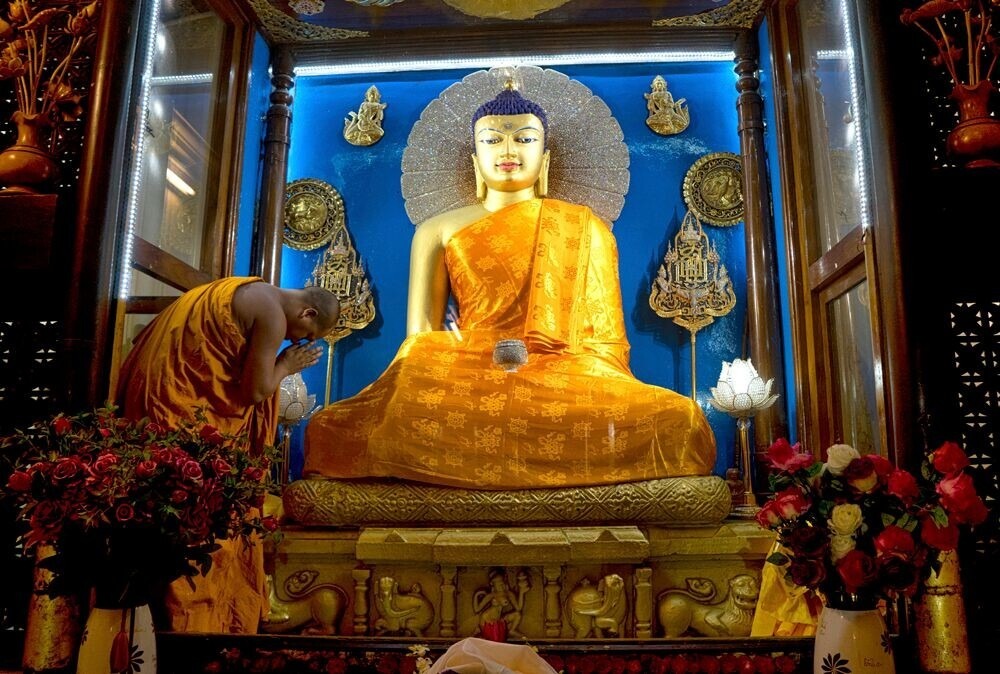
The main Shakyamuni Buddha statue inside the Mahabodhi Temple, Bodhgaya, India.

Mahabodhi Temple Statue, Bodhgaya

Every month, on the full moon and on the Four Buddha Days – when merit is multiplied 100 million times – a new set of robes is offered to the Buddha statue in the Mahabodhi Temple in Bodhgaya.

With sincere thanks to Root Institute for arranging this offering.

Jowo Buddha Statue, Tibet

When possible, the Puja Fund sponsors the offering of robes and gold to the holy face of the Jowo Buddha statue in Tibet.

Lama Zopa Rinpoche has taught extensively on the benefits of offering to statues of Buddha. “If someone offers a small flower or rice to a Buddha statue, a stupa, or scripture then the benefit extends from then up to enlightenment. Amazing, amazing,” Rinpoche has said. “It is said in the sutra Piled Flowers, on top of that benefit, you achieve ultimate happiness, liberation from the causes of delusion and karma, and on top of that full enlightenment, all the realizations and omniscient mind. After this, then you liberate numberless hell beings, pretas, animals, humans, suras and asuras from the ocean of samsaric sufferings and bring them to full enlightenment. When all beings are brought to enlightenment, only then are all the results of offering achieved.”
Offerings to Gurus and Sangha

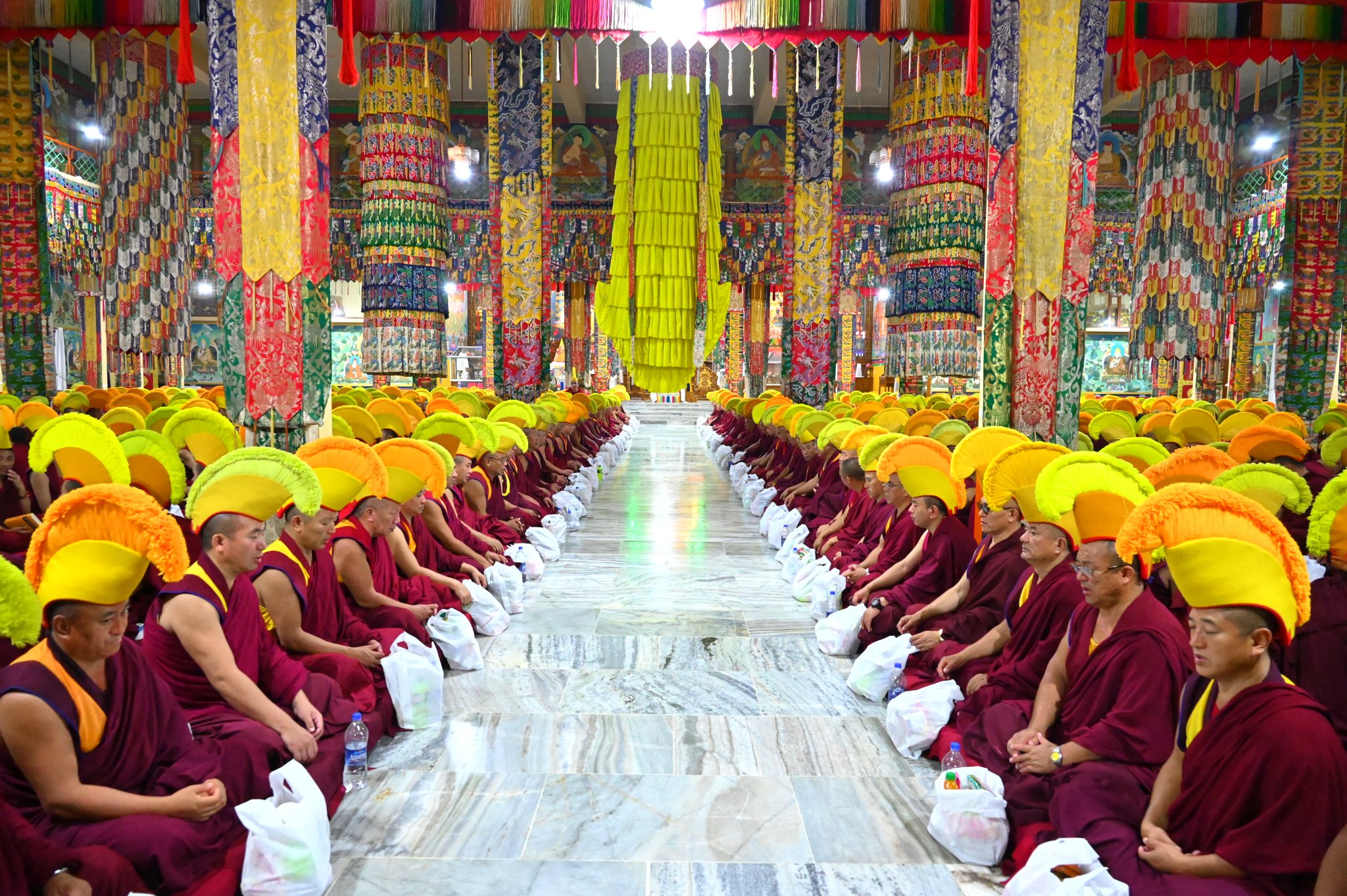
Sera Lachi puja on Chokhor Duchen.

Throughout the year, every Tibetan eighth and twenty-ninth day, on full moons, during solar and lunar eclipses, and on the Four Buddha Days – when merit is multiplied 100 million times – the Puja Fund makes offerings to all the Sangha who offer the prayers and practices and this small monetary offering is one way that the Sangha are able to supplement their food, medical needs, or provide for other basic care items for themselves.

In addition, on the Four Buddha Days offerings are made to His Holiness the Dalai Lama and all of Lama Zopa Rinpoche’s gurus, as well as all the IMI Sangha communities around the word.

Lama Zopa Rinpoche has explained, “when you are making offerings, whether to lay people or Sangha, if they have received teachings from His Holiness the Dalai Lama, and if they have the same guru as you – such as His Holiness the Dalai Lama – think that every one of the students is the pores of your guru. If you think that as you make offerings, then you collect unbelievable merit.

“You collect more merit than having made offerings to numberless buddhas, Dharma, and Sangha, and numberless statues, stupas, and scriptures in the ten directions. By thinking that this person is the guru’s pore and then offering one biscuit or one piece of candy, you collect much more merit than having made offerings to numberless buddhas, Dharma, Sangha, and numberless statues, stupas, and scriptures in the ten directions.”
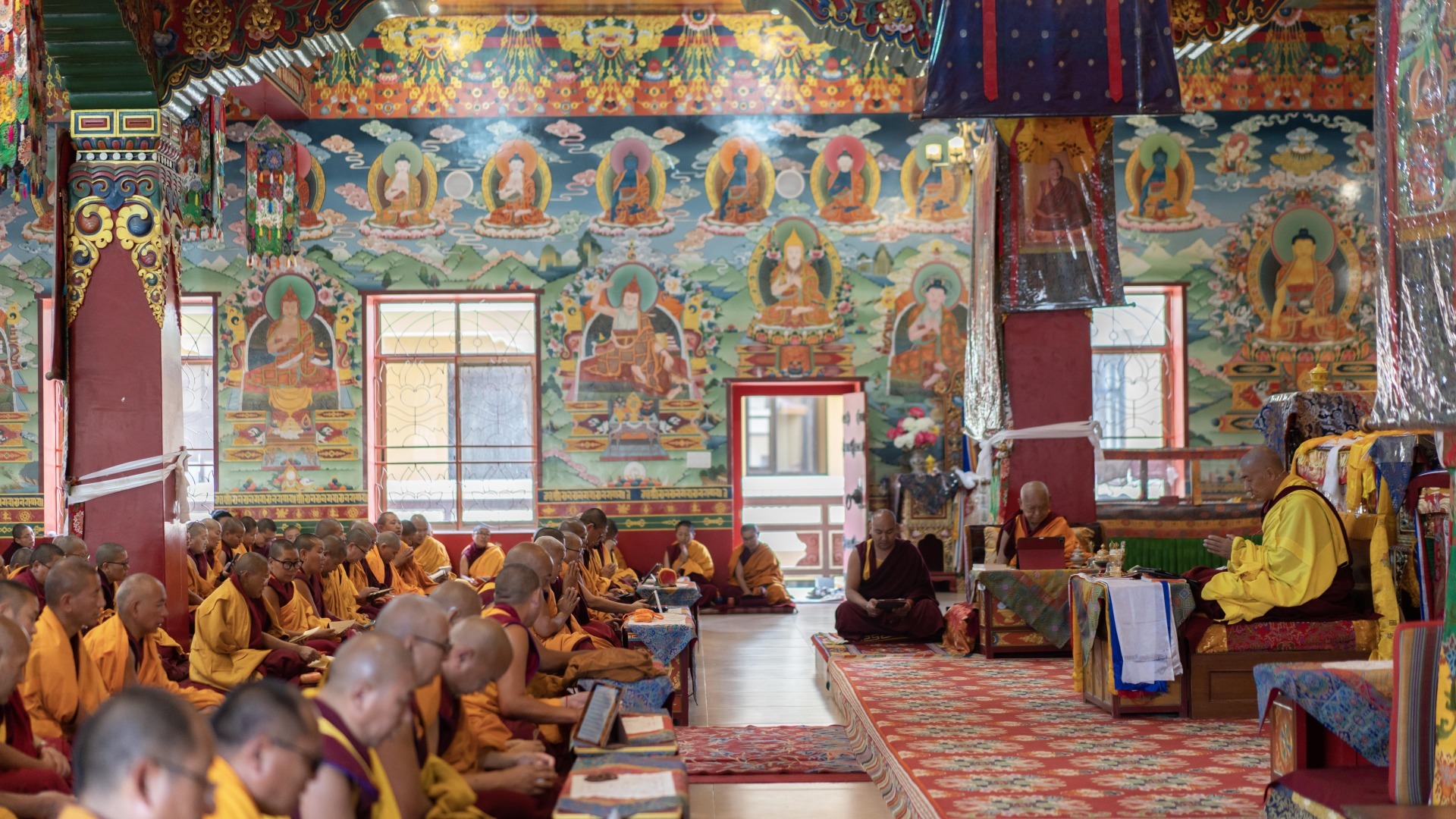
 

Lama Zopa Rinpoche and monks and nuns receiving Vajrayogini oral transmissions from Geshe Lharampa Lobsang Drugdrag at Khachoe Ghakyil Nunnery, Nepal, March 2023. Photo by Ven. Lobsang Sherab.

Generating Extensive Merit for the Benefit for All

The extensive range of practices and pujas offered worldwide through the Puja Fund is truly astounding. The prayers and offerings to the holy objects and Sangha are made on behalf of all FPMT centers, projects, and services. This generates an incredible amount of merit and helps the FPMT organization achieve its long-term goals for the benefit of all.

So far, these offerings and pujas have not been publicized much, but I would like to make it known so that other people can participate in making these extensive offerings. The offering to all these monasteries happens continuously, every year, every month. My idea is for these offerings and pujas to continue forever or for as long as the monasteries exist. Please if you make offerings, you can also remember on the actual day that the pujas are happening, rejoice and dedicate the merit. This is the best business, the best way to create most extensive merit.

—Lama Zopa Rinpoche

Pujas, Prayers, and Offerings on Special Days

Below, we share details of the vast offerings and practices performed on merit-multiplying days, including Losar, Saka Dawa, Chokhor Duchen, and Lhabab Duchen; the anniversary of Lama Tsongkhapa’s parinirvana; solar and lunar eclipses; and each month on the full moon, the eighth, and the twenty-ninth Tibetan dates.

Four Buddha Days

Every year, during the auspicious Buddha Days of Losar, Saka Dawa, Chokhor Duchen, and Lhabab Duchen—when merit is magnified one hundred million times—the Puja Fund sponsors these pujas, offered by thousands of ordained Sangha, as well as various offerings carried out around the world.

Losar and the Fifteen Days of Miracles

  • Recitation of the Kangyur by Khachoe Ghakyil Ling Nunnery.
  • Recitation of the Guhyasamaja Root Tantra by Gyudmed Tantric Monastery.
  • One Thousand Sets of Offerings to Buddha Namgyalma and 64 offerings to Kalarupa by Gyuto Tantric Monastery.
  • Medicine Buddha Puja and 64 offerings to Kalarupa by Gaden Jangtse Monastery.
  • Painting the Bouddhanath and Swayambunath stupas and offering new umbrellas to the stupas’ pinnacles.
  • Offering a new set of robes to the holy body of the main Buddha statue in the Mahabodhi Temple, Bodhgaya, India.
  • Printing Sutras: Golden Light Sutra, Arya Sanghata Sutra, Vajra Cutter Sutra, Sutra of Great Liberation and Amitayus Long Life Sutra.
  • 700 Animals liberated by the Animal Liberation Fund.
  • Making tsa tsas of Mitukpa, the three long life deities and Kadampa stupas sponsored by the Stupa Fund.
  • Offerings are made to His Holiness the Dalai Lama and all of Lama Zopa Rinpoche’s gurus, the sangha at IMI Sanga communities and to the thousands of ordained Sangha offering the pujas.

Saka Dawa

  • Recitation of the 100,000 Praises to Twenty-one Taras by Khachoe Ghakyil Ling and Yolo Nunnery.
  • Recitation of the Guhyasamaja Root Tantra by Gyudmed Tantric Monastery.
  • Nyung Na by Khachoe Ghakyil Ling Nunnery.
  • One Thousand Sets of Offerings to Buddha Namgyalma and 64 offerings to Kalarupa by Sera Jey Monastery.
  • Painting the Bouddhanath and Swayambunath stupas and offering new umbrellas to the stupas’ pinnacles.
  • Offering a new set of robes to the holy body of the main Buddha statue in the Mahabodhi Temple, Bodhgaya, India.
  • Printing Sutras: Golden Light Sutra, Arya Sanghata Sutra, Vajra Cutter Sutra, Sutra of Great Liberation and Amitayus Long Life Sutra.
  • 700 Animals liberated by the Animal Liberation Fund.
  • Making tsa tsas of Mitukpa, the three long life deities and Kadampa stupas sponsored by the Stupa Fund.
  • Offerings are made to His Holiness the Dalai Lama and all of Lama Zopa Rinpoche’s gurus, the sangha at IMI Sanga communities and to the thousands of ordained Sangha offering the pujas.

Chokhor Duchen

  • Yamantaka/Heruka/Guhyasamaja Self Initiation by Gyudmed Tantric Monastery.
  • Mitrugpa Puja by individual Khangtsen in Gaden Monastery.
  • Namgyalma long life ritual and 64 offerings to Kalarupa by Drepung Monastery.
  • Painting the Bouddhanath and Swayambunath stupas and offering new umbrellas to the stupas’ pinnacles.
  • Offering a new set of robes to the holy body of the main Buddha statue in the Mahabodhi Temple, Bodhgaya, India.
  • Printing Sutras: Golden Light Sutra, Arya Sanghata Sutra, Vajra Cutter Sutra, Sutra of Great Liberation and Amitayus Long Life Sutra.
  • 700 Animals liberated by the Animal Liberation Fund.
  • Making tsa tsas of Mitukpa, the three long life deities and Kadampa stupas sponsored by the Stupa Fund.
  • Offerings are made to His Holiness the Dalai Lama and all of Lama Zopa Rinpoche’s gurus, the sangha at IMI Sanga communities and to the thousands of ordained Sangha offering the pujas.

LhaBab Duchen

  • Recitation of the Prajnaparamita Sutra by Gyudmed Tantric Monastery.
  • Lama Chopa, King of Prayers, Chanting the Names of Manjushri by Kopan Monastery.
  • Medicine Budda Puja, King of Prayers, Chanting the Names of Manjushri by Khachoe Ghakyil Ling Nunnery.
  • Painting the Bouddhanath and Swayambunath stupas and offering new umbrellas to the stupas’ pinnacles.
  • Offering a new set of robes to the holy body of the main Buddha statue in the Mahabodhi Temple, Bodhgaya, India.
  • Printing Sutras: Golden Light Sutra, Arya Sanghata Sutra, Vajra Cutter Sutra, Sutra of Great Liberation and Amitayus Long Life Sutra.
  • 700 Animals liberated by the Animal Liberation Fund.
  • Making tsa tsas of Mitukpa, the three long life deities and Kadampa stupas sponsored by the Stupa Fund.
  • Offerings are made to His Holiness the Dalai Lama and all of Lama Zopa Rinpoche’s gurus, the sangha at IMI Sanga communities and to the thousands of ordained Sangha offering the pujas.

To contribute toward these offerings, practices and the ongoing activities of the Puja Fund:

DONATE

Anniversary of Parinirvana of Our Lamas

Anniversary of Parinirvana of Lama Yeshe (Losar)

  • Offering gold to the statue of Lama Yeshe at Kopan monastery

Anniversary of Parinirvana of Lama Zopa Rinpoche (13 April)

  • Heruka Lama Chopa puja at Kopan Monastery, monetary offering to the sangha and offering lunch to all participants

Anniversary of the Parinirvana of His Eminence Zong Rinpoche (15 November)

  • Lama Chopa puja at Gaden Shartse Monastery 
Guru Bum Tsog

Anniversary of Lama Zopa Rinpoche’s Birthday (3 December)

One Hundred Million Mani Retreats

Each year, the One Hundred Million Mani Retreat is sponsored at Tashi Chime Gatsal Nunnery; in some years, two retreats are sponsored. During these months, all food at the nunnery is provided, offerings are made to the nuns, and, medical and educational support is covered.

Lama Tsongkhapa Day

Every year on Lama Tsongkhapa Day, the celebration of the anniversary of Lama Tsongkhapa’s parinirvana, celebrated on the twenty-fifth day of the tenth month of the Tibetan calendar, the Puja Fund sponsors these special offerings to ordained Sangha around the world.

Special Meal and Dessert Offered to all the Sangha at IMI Communities

  • Nalanda Monastery and Monastère Dorje Pamo, France
  • Thubten Shedrup Ling, Machig Labdron Nunnery, and Chenrezig Sangha Community, Australia.
  • Lhungtok Choekorling Monastery and Shenpen Samten Ling Nunnery, Italy
  • Shedrup Zung Drel Ling, in Sera Je Monastery, India
Solar and Lunar Eclipses

Every year during each full solar and lunar eclipse, when the merit is magnified 700,000 during lunar eclipse and 100 million during solar eclipses, the Puja Fund sponsors:

  • Painting the Bouddhanath and Swayambunath stupas and offering new umbrellas to the stupas’ pinnacles.
  • Offering a new set of robes to the holy body of the main Buddha statue in the Mahabodhi Temple, Bodhgaya, India.
  • 700 Animals liberated by the Animal Liberation Fund.
  • Making tsa tsas of Padmasambhava, Mitukpa, the three long life deities and Kadampa stupas sponsored by the Stupa Fund.
Monthly, Full Moons, Eighth & Twenty-Ninth Tibetan Dates

Every month on the full moon, and the eight and twenty ninth day, according to the Tibetan calendar, the Puja Fund sponsors:

Full Moons

  • Painting the entire Bouddhanath and Swayambunath stupas and offering new umbrellas to the stupas’ pinnacles.
  • Offering a new set of robes to the holy body of the main Buddha statue in the Mahabodhi Temple, Bodhgaya, India.
  • Offering gold and new robes to the holy body of the Jowo Buddha statue in Lhasa, Tibet.
  • Offering gold to a special Chenrezig statue inside the Potala palace in Tibet (when possible).
  • 700 Animals liberated by the Animal Liberation Fund.
  • Making tsa tsas of Padmasambhava, Mitukpa, the three long life deities and Kadampa stupas sponsored by the Stupa Fund.

Eighth Day of the Tibetan Month

Every month on the eighth day of the Tibetan month, which is an important day to offer long life practices.

  • Extensive Medicine Buddha Puja by Sera Mey Monastery.
  • 700 Animals Liberated by the Animal Liberation Fund.
  • Making tsa tsas of the eight Medicine Buddhas, Mitukpa, the three long life deities and Kadampa stupas sponsored by the Stupa Fund.

Twenty-ninth Day of the Tibetan Month

Every month on the twenty-ninth day of the Tibetan month, which is a powerful day for doing practices such as Most Secret Hayagriva, the Puja Fund sponsors the Most Secret Hayagriva Tsog Kong by forty of the most senior monks of Sera Je Monastery, who specialize in the practice of Most Secret Hayagriva. This is an all-day puja with an elaborate torma offering and the puja has extensive prayers and meditation.

Monthly

These pujas and practices are sponsored monthly to pacify the elements and protect those harmed by disasters of earth, wind, fire, and water.

  • Extensive Medicine Buddha Puja offered five times
  • Guhyasamaja Root Tantra recited four times
  • Kshitigarbha Sutra recited one time
  • Golden Light Sutra recited eight times
  • Arya Sanghata Sutra recited five times
  • Vajra Cutter Sutra recited four times

Budget

The annual expense for these pujas and practices, including offerings to the holy objects and Sangha, is US$110,000. Everyone is welcome to participate by contributing any amount, becoming part of every practice and prayer offered.

Join in this vast array of offerings and practices by contributing any amount

DONATE

When offering any puja, think: I am doing this for any sentient being who needs it. Motivate for everyone, not working for yourself, not for money, offering puja becomes pure Dharma motivation because of the thought to benefit others. Then, when people are dying and sick and in need, if you think of those people, so many need helpful prayers. “Whatever you do, try to benefit sentient beings, not just recite prayer.

—Lama Zopa Rinpoche

Puja Fund News & Updates
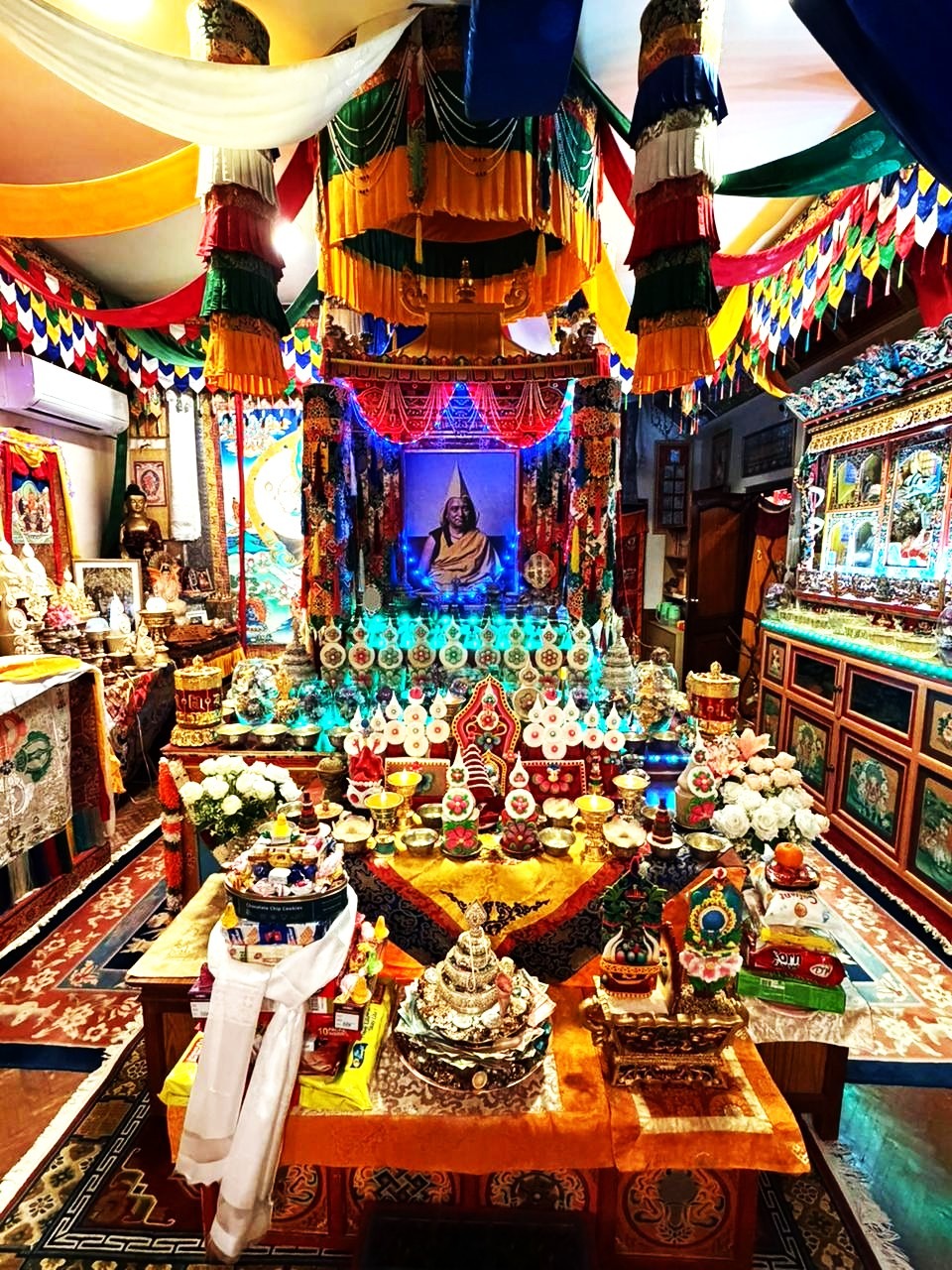

Rejoicing in All the Pujas and Prayers Offered During Saka Dawa

Charitable Activities | June 13, 2025 -
During the twenty-four hours of Saka Dawa (June 11, 2025), which commemorates Shakyamuni Buddha’s birth, enlightenment, and parinirvana, and when karmic results are multiplied by 300 million times as it commemorates Shakyamuni Buddha’s three major life events, The FPMT Puja … Read more »


The Puja Fund is a project of FPMT Inc. and is administered by FPMT International Office located in Portland, Oregon, United States. All donations made to this fund are tax-deductible within the United States in accordance with IRS Code article 501(c)(3) to the extent allowed by law.

For questions about the Social Services Fund activities, please contact the Charitable Projects Coordinator.

Return to FPMT Charitable Projects Homepage